
By Elise Parker · Published · Updated
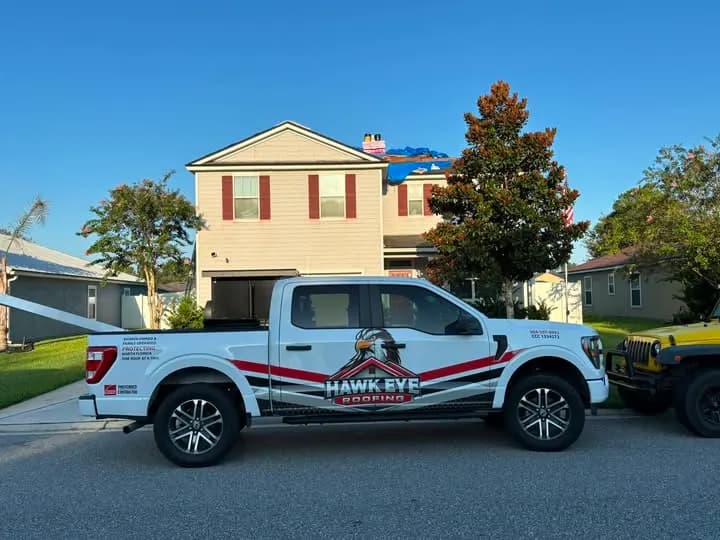
Before hurricane season, document your roof’s condition, address known leaks or damage, and arrange safe debris removal. After a storm, stay off the roof and call about the damage you can see. A roof inspection helps plan the next step; it cannot promise that a roof will withstand every storm.
What should you check before a storm?
From the ground or inside the home, look for missing roofing material, new ceiling stains, loose-looking flashing and debris collecting in gutters or roof valleys. Save photos and note when a leak occurs. You do not need to climb onto the roof to make an inquiry.
Hawk Eye’s free residential roof inspection includes drone-assisted inspection and a detailed photo report. Ask which areas were visible and which need a closer assessment. Aerial photographs do not establish the condition of concealed decking, the attic or every roof connection.
The National Weather Service’s hurricane preparation guidance also covers evacuation planning, supplies and household communication. Roof preparation is one part of that larger plan.
Repair a specific problem or replace the roof?
A missing shingle and repeated leaks across several roof areas call for different assessments. Review the location and extent of the damage, previous repairs and the condition of surrounding materials. Ask what a proposed roof repair would address and what concerns would remain.
If replacement is being considered, compare the complete scope: removal, materials, flashing, decking allowances, permit responsibilities and written warranty terms. Roof age alone does not determine the right choice, and replacing a roof does not make it storm-proof.
What should you do after roof damage?
- Follow emergency instructions and avoid damaged areas, fallen lines and unstable ceilings.
- Record the time you noticed the problem and take photos from a safe location.
- Call about emergency roof repairs. Describe whether water is entering now.
- Ask whether temporary tarping is appropriate while permanent repairs are arranged. Weather, access and current availability affect scheduling.
Temporary protection and permanent repairs are different scopes. Ask what each proposed step includes. Direct insurance coverage and claim questions to your insurer; roof photographs document observations, not a coverage decision.
How do you arrange help in Duval County?
Hawk Eye serves Jacksonville and surrounding First Coast communities. Call (904) 597-8992 with the property address and what has changed. For a commercial building, include the site contact and any occupied areas affected by the leak so we can discuss the project requirements.
Ask us about your roof